

Building the Future: Construction Management in East Africa
Construction management is playing an increasingly pivotal role in East Africa’s growth story. With infrastructure projects booming across Kenya, Uganda, Tanzania, Rwanda, Ethiopia, and South Sudan, effective project oversight is essential to ensuring that developments are delivered on time, within budget, and to international standards.
In this post, we explore how construction management is evolving in East Africa, the challenges faced, and the key factors driving success in this dynamic sector.
Why Construction Management Matters
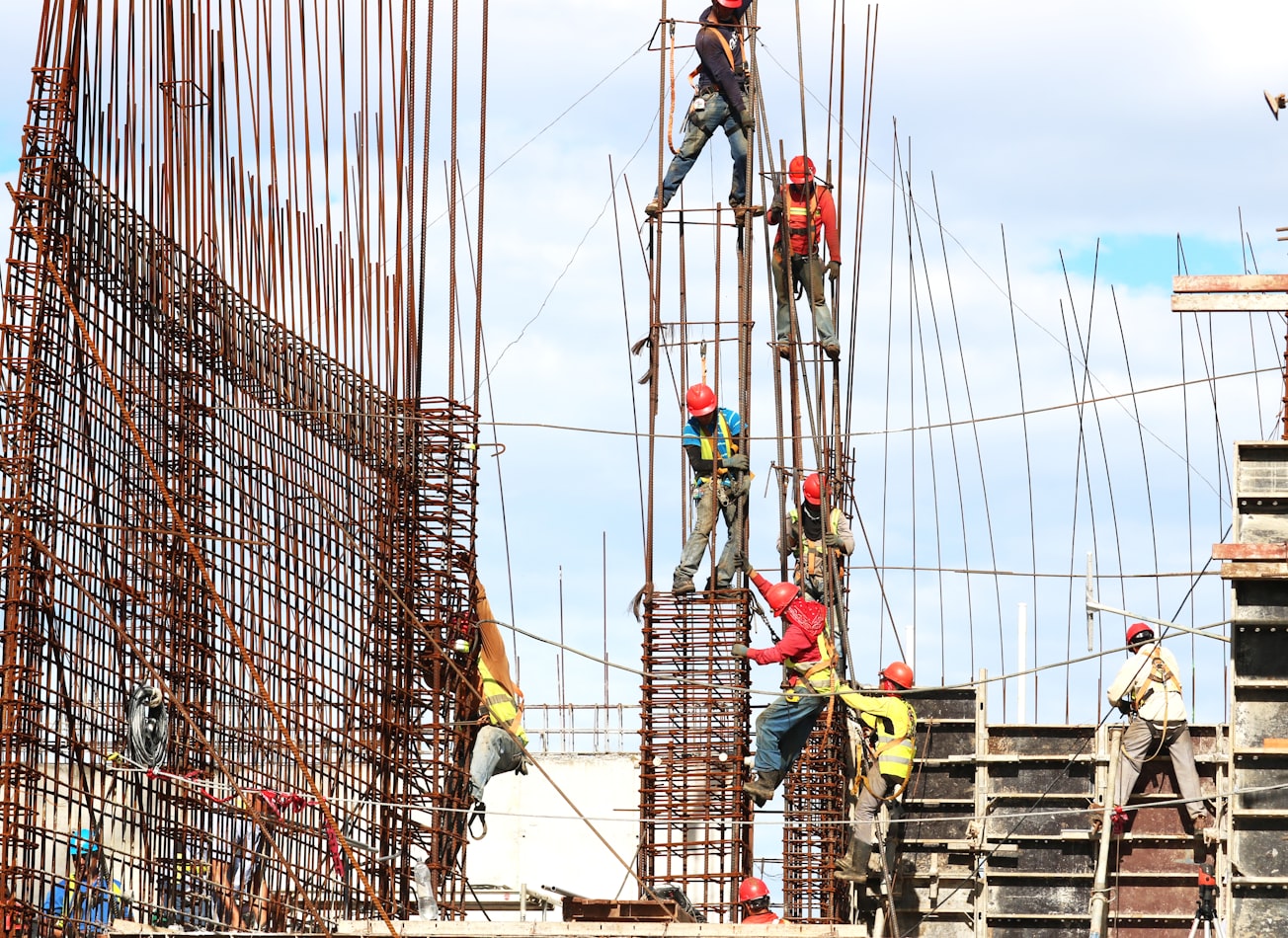
Construction management is more than just supervising a building site. It involves planning, coordination, budgeting, quality control, safety management, and communication across all phases of a project — from design to completion.
In East Africa, where infrastructure is central to national development goals, strong construction management is vital to avoid delays, cost overruns, and substandard work.
Key Growth Drivers in East Africa’s Construction Sector
-
Rapid Urbanization
Cities like Nairobi, Kampala, and Addis Ababa are experiencing rapid growth. This urban shift demands new housing, roads, bridges, and commercial centers — all requiring expert project management. -
Government Investment
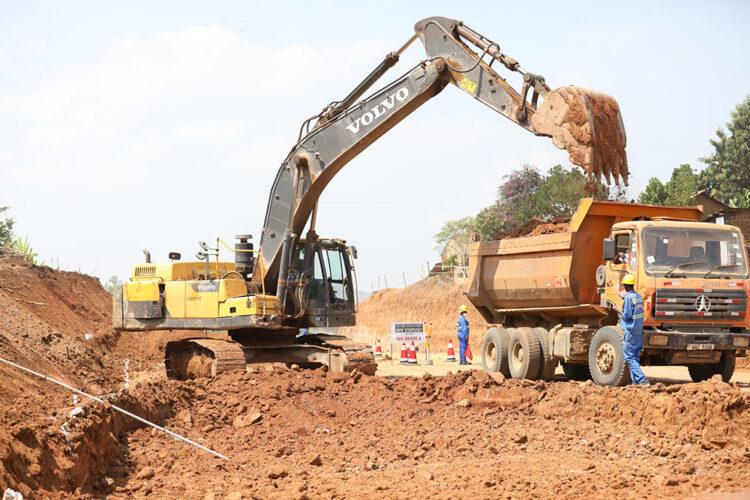
Major public works, such as roads, power stations, airports, and ports, are being fast-tracked. Governments are partnering with local and international firms, creating demand for experienced construction managers. -
Private Sector Expansion
The rise of real estate development, especially in hospitality, retail, and housing, is pushing the demand for organized, efficient construction practices. -
Regional Integration Projects
Projects like the LAPSSET Corridor and Standard Gauge Railway show how cross-border infrastructure is boosting demand for regional construction expertise and coordination.
Challenges Facing Construction Management in the Region
-
Limited Skilled Workforce: While the workforce is growing, there is a shortage of trained construction managers, engineers, and project planners.
-
Regulatory Differences: Varying standards, building codes, and permitting processes across countries can lead to compliance issues and delays.
-
Supply Chain Disruptions: Inconsistent delivery of materials, logistical challenges, and import reliance can impact timelines and budgets.
-
Financial Constraints: Limited access to project financing and delays in payments (especially in government contracts) affect cash flow and project continuity.
Strategies for Effective Construction Management
-
Digital Tools and Software
Adoption of construction management software, drones, BIM (Building Information Modelling), and mobile apps enhances real-time monitoring, reduces errors, and improves collaboration. -
Local Talent Development
Investing in training and upskilling local professionals ensures sustainability and builds long-term capacity in the industry. -
Risk Management and Compliance
Construction managers must proactively assess risks, maintain documentation, and stay compliant with national and regional building codes. -
Stakeholder Coordination
Regular communication between developers, contractors, engineers, suppliers, and government agencies is key to keeping projects on track.
The Future of Construction in East Africa
As the East African region continues to grow and integrate, construction management will become even more central to its success. By embracing modern technologies, fostering local expertise, and improving project oversight, East Africa is poised to build smarter, stronger, and more sustainable infrastructure.
For investors, developers, and governments alike, professional construction management isn’t just an operational necessity — it’s a strategic advantage.
Are you planning a project in East Africa?
Whether it’s a new building, road, or industrial plant, partnering with experienced construction managers like SCSE ensures quality, accountability, and peace of mind from start to finish.